
Reselling
High-Margin eBay Niches in Small Replacement Parts (2026)
Research ebay small replacement parts high margin niches, confirm fit, and calculate costs before buying inventory.
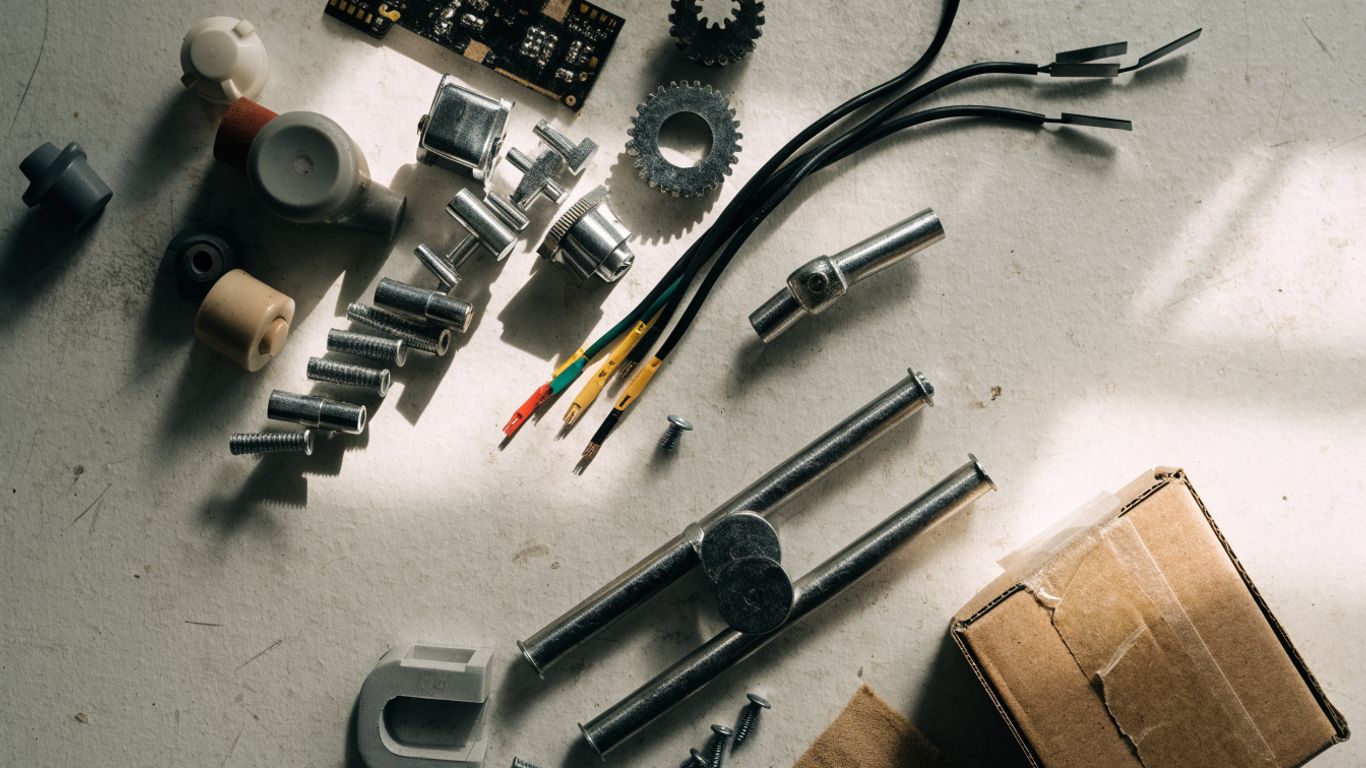
Small replacement parts can be worth researching when buyers need an exact match and you can verify the fit before listing. Your margin depends on the full cost of sourcing, preparing, packing, and shipping each part.
- Research specific part numbers and models instead of broad categories alone.
- Verify compatibility using manufacturer information and physical details.
- Compare sold listings with active competition before buying inventory.
- Count fees, shipping, testing, and possible returns in your margin.
- Start with small test buys and describe condition clearly.
Why small replacement parts can be profitable
Small replacement parts can be profitable when the price you can sell them for leaves room after sourcing, fees, and shipping. Buyers often need a particular component to repair an item they already own, so the exact model and part number can matter more than a broad category. That creates a focused research opportunity, but not a guarantee of demand. Your job is to confirm both the match and the economics before you commit.
Lower shipping costs can leave more room for profit
A compact part may cost less to pack and ship than a large appliance or piece of equipment, which can help preserve your margin. But small does not automatically mean cheap to ship: weight, fragility, shape, and the protection it needs all matter. Estimate shipping using the item packed for sale, not just the bare component. A small control board may need more padding than a sturdy plastic knob, for example.
Buyers often search by exact part number or model
When a buyer needs a replacement, a part number or model identifier can make the search much more specific than a generic phrase like “appliance piece.” Put identifying details to work only after you have checked them against the actual item. If the number is worn or incomplete, say what you can read and show a clear photo rather than filling in missing characters by guesswork. Accurate identifiers matter because a buyer may be relying on them to choose a compatible part.
Hard-to-find parts can face less direct competition
A discontinued component or an uncommon model-specific piece may have fewer close matches than a widely available accessory. That does not mean there are no competing listings or that the item will sell quickly. Search for the exact number and useful variations, then compare active listings with completed sales. A thin market can reward patient research, but it can also mean demand is sporadic.
Small items still need careful testing and identification
A component can look fine and still fail when installed, so describe the testing you actually performed. Record any visible damage, missing tabs, corrosion, or wear that could affect function or fit. If you cannot test it, identify it as untested and avoid implying otherwise. Buyers need enough evidence to distinguish a usable replacement from a part that is only suitable for repair or salvage.
High-margin replacement-part niches to research
Replacement-part niches worth researching include appliance, vehicle, tool, electronics, and household hardware components. Treat these as starting points, not a ranked list of guaranteed winners. In each category, the particular model, condition, and completeness can change what buyers will pay. Check the exact part and its fitment before making a sourcing decision.
Appliance parts such as knobs, racks, and control boards
Appliance parts range from simple knobs and rack pieces to electrical components that need more careful handling. Look for a legible maker label, part number, and any visible damage such as cracked clips or bent contacts. A part removed from an appliance is not automatically a tested part; keep its condition and test status distinct. For electronic components, be especially clear about what you could and could not verify.
Automotive and motorcycle parts such as switches, trim, and sensors
Vehicle parts can be highly specific to a make, model, year, trim, or production version, so a familiar-looking shape is not enough to establish fit. Document the markings and connectors, and compare them with reliable fitment information before listing. Small switches and trim may be easier to store than larger components, but incorrect compatibility claims can lead to returns. If a fitment detail remains uncertain, state the limitation plainly.
Power tool and outdoor equipment parts such as gears, guards, and carburetor components
Parts for tools and outdoor equipment often come from machines that are no longer worth selling whole. Check for wear on gears, cracks around guards, and damage or missing pieces on fuel-system components. Brand and model labels can help narrow your search, but do not assume that nearby model names use interchangeable parts. Clean photos of the component and its identifiers can make the listing easier for a buyer to assess.
Electronics and audio parts such as remotes, connectors, and control buttons
Remotes, connectors, and button assemblies are small enough to store efficiently, but exact device compatibility still matters. Photograph model labels and battery compartments, and check for corrosion or damaged contacts. If you test a remote, describe the test rather than simply calling it working. For connectors and controls, show the shape and any wear closely so buyers can compare what they need with what you have.
Furniture and household hardware such as brackets, hinges, and drawer slides
Brackets, hinges, and drawer slides can be useful replacement pieces when their dimensions and mounting details match the buyer’s project. Measure the relevant points and show the hardware from more than one angle. Include screws or other hardware only when they are actually included, and note whether a set is complete. A short, accurate description of size and condition is more useful than a broad claim that the piece fits many items.
How to confirm a part fits before you buy or list it
Confirm fit by matching documentation and identifiers, then comparing the physical part with the intended replacement. A part that looks similar may have a different revision, connector, or mounting pattern. Use more than one clue where possible, especially for components whose failure could damage equipment or create a safety issue. If the evidence does not support a definite compatibility claim, narrow the claim rather than guessing.
Match the part number to the manufacturer’s documentation
Start with the number printed or molded on the component, then look for manufacturer documentation that identifies the part and its application. Check every character carefully: a single letter or digit can point to a different version. If the number is missing, use other evidence such as a label on the original machine, but keep that evidence separate from a confirmed part-number match. Your listing should distinguish what you verified from what you inferred.
Check model and serial ranges for compatibility limits
Some parts apply only to certain model or serial ranges. Compare the full model identifier, including suffixes, with the applicable documentation rather than relying on a shortened family name. If you find a stated range or exception, capture it in your research notes and describe the limitation in the listing. This helps buyers decide whether their own unit falls within the supported range.
Compare connector shapes, dimensions, and mounting points
Physical comparison can help confirm or rule out a match, especially when documentation is incomplete. Before sourcing or listing, organize your check around a few observable details:
- Connector shape, pin arrangement, and orientation
- Overall dimensions and thickness
- Mounting holes, tabs, clips, or screw locations
- Any visible part number, label, or molded marking
These checks do not replace manufacturer documentation, but they can expose a mismatch that a similar-looking housing would hide. Photographing the same details also gives buyers useful evidence.
Flag revisions and lookalike parts that are not interchangeable
A revised component may share a housing or label style with an earlier part while differing in a detail that affects fit. Look for revision marks, changed connector layouts, and altered mounting points. Do not describe lookalike pieces as interchangeable unless you have evidence to support that claim. When you cannot confirm interchangeability, list the identified part and avoid adding unverified compatible models.
How to validate demand and calculate your margin
Validate demand by checking exact-match sales, active competition, and the full cost of getting the part ready to ship. A few attractive asking prices do not establish what buyers have paid. The numbers that matter are the completed transactions for a genuinely comparable item and your own costs. Build a conservative estimate before you buy, then revisit it if the actual condition or shipping requirements differ.
Check completed and sold eBay listings for exact-match comps
Search sold listings using the part number first, then try the model identifier and common name if results are sparse. Compare condition, included hardware, testing status, and shipping treatment before using a sale as a comp. FlowLister identifies items from photos, builds buyer-style sold-comp queries, and prices from recent eBay sold examples when enough evidence exists; that can inform listing creation, but you should still judge whether the examples match your specific part. Use sold-listing research to support your own comparison, not as a substitute for checking the details.
A quick comparison table can keep the evidence organized instead of letting one high asking price set your expectations.
| Evidence to compare | What to check | Why it matters |
|---|---|---|
| Sold examples | Part number, condition, and actual sale | Shows whether a close match has sold |
| Active listings | Price, quantity, and fitment claims | Reveals current alternatives for buyers |
| Shipping | Packed size, protection, and service | Helps estimate the delivered cost |
| Your inventory | Purchase price, testing, and missing pieces | Grounds the estimate in your own item |
Use the closest completed sales as a reference, then adjust your estimate for differences that affect buyer value. If there are no convincing exact matches, treat the price as uncertain and keep your buy cost low.
Compare sell-through and active competition before buying inventory
A sold result is useful, but it says little by itself about how many similar items remain available or how often buyers are purchasing them. Compare the sold results with active listings for the same part and realistic substitutes. FlowLister can use recent sold examples when creating a listing price if enough evidence exists, but niche selection still calls for your own judgment about competition and how closely the comps match. Avoid treating a short burst of sales as proof of steady demand.
Include acquisition cost, eBay fees, packing, and shipping in your math
Your margin estimate should include more than the price paid for the part. Account for marketplace fees, packing materials, shipping, and any cost of acquiring a larger lot that contains the item. Also consider whether the buyer will pay shipping or whether you have priced it into the offer. Use the actual packed dimensions and weight when estimating shipping, since protective packaging can change the calculation.
Account for testing time, returns, and parts that may not work
Testing and sorting take time, especially when a lot contains many similar components. A part that cannot be tested may need a lower expected selling price, and a return can erase the profit on an otherwise promising sale. Include a reasonable allowance for these risks in your decision rather than counting every item in a lot as sellable. If the margin only works under ideal conditions, pass or negotiate a lower cost.
Where to source replacement parts without building dead stock
You can source replacement parts from repair businesses, mixed lots, and equipment that has little resale value as a whole. The main risk is buying more inventory than you can identify, test, and list. Begin with sources where you can inspect the items or get useful model information, then track each part number and condition as you sort. Buy in small quantities until the demand and workflow make sense.
Ask repair shops and local technicians about surplus inventory
Repair shops may have removed parts, incomplete assemblies, or surplus stock that no longer fits their current work. Ask what the items came from and whether identifiers or test information are available. Set expectations about condition before agreeing on a price, and avoid paying as if an untested component were confirmed working. A useful relationship starts with clear terms and a manageable first purchase.
Sort appliance, equipment, or electronics lots by part number
Mixed lots can look inexpensive until you discover how much time it takes to identify each piece. Separate items by visible number, model, type, and condition before estimating their individual value. Keep an unresolved group aside rather than assigning it a part number based on resemblance. Sorting first makes it easier to see which components have enough evidence to justify listing.
Salvage usable components from items that are otherwise unsellable
An item with a damaged housing or missing accessory may still contain components worth recovering, but only if those pieces can be identified and assessed. Remove parts carefully, preserve labels where possible, and note the source model. Check for damage caused by the original failure, not just wear on the outside. Salvage is most useful when you can separate reusable parts from components that are unsafe or too uncertain to sell.
Start with small test buys before committing to bulk lots
A modest test purchase lets you learn how long identification and testing take, and whether your research matches actual sales. Keep records of what you paid, which pieces proved listable, and what remained unsold. Use that experience to set a ceiling for later purchases. A small trial may seem slower, but it can prevent a shelf full of unidentified parts.
How to list, pack, and ship parts to protect profit
Protect profit by making the listing specific, showing the part clearly, and choosing packaging that prevents damage without adding unnecessary cost. Buyers need to know what the component is, what it fits, and what condition it is in. Your title and item specifics should use verified details, while photos and description handle the evidence. Clear condition language can reduce confusion after delivery.
Put the part number and verified fitment in the title and item specifics
Lead with the clearest verified identifier, such as the part number or model, and include fitment details only when you have confirmed them. Avoid filling the title with a long list of possible applications based on resemblance. FlowLister turns item photos into an eBay listing with a title, description, category, item specifics, and a price from recent sold comps, then publishes it to eBay in one click. For a replacement part, make sure the source photos clearly show its identifiers and condition; you can try the listing workflow on your own items.
Photograph labels, connectors, wear, and included hardware
Photographs should help a buyer compare the actual component with the one they need. Capture labels and molded numbers in focus, then show connectors, mounting points, visible wear, and any included pieces. FlowLister uses item photos to create eBay listings, so clear evidence is useful both for the listing and for a buyer assessing the part. Take close-ups that are bright enough to reveal detail without hiding scratches or discoloration.
State clearly whether the part is tested, untested, or for parts
Use a condition statement that matches what you actually know. If you tested a switch only for movement but not in a machine, describe that limited check instead of calling it fully functional. If the component is untested, say so near the start of the description and show any visible damage. If it is being sold for parts, explain the reason when known and avoid implying it can be installed as-is.
Protect fragile components and choose a service that fits the packed size
Pack delicate electrical components so they cannot shift, bend, or take direct pressure on pins and connectors. Protect sharp edges and small pieces from puncturing or escaping their packaging. Weigh and measure the parcel after packing, then choose a shipping service that fits its size and value. A careful packing routine protects the sale and helps keep the shipping estimate close to the actual cost.
Conclusion
Small replacement parts can be a worthwhile eBay niche when you can identify the exact component, confirm fit, and find sold evidence that supports your costs. Research before buying, keep your first purchases manageable, and make the listing honest about testing and compatibility. If you want help turning item photos into eBay listings, try FlowLister.
Frequently Asked Questions
Short answers to common seller questions about this workflow.
About this guide
Published by the FlowLister team. FlowLister is built by Taylor Family Software, the studio founded by Chris Taylor, a full-time eBay reseller. Spotted something out of date? Tell us and we'll fix it.