
FlowLister Feature
ShipSense: the right carrier on every listing, automatically.
ShipSense picks the shipping service for every AI-generated eBay listing based on item weight and dimensions — USPS Ground Advantage or Priority Mail for small packages, FedEx Ground only when the item is large or heavy. The right shipping policy goes into the listing before publish, so buyers see accurate pre-priced shipping and you don't lose margin to a bad carrier pick.
By Chris Taylor, founder of FlowLister and active eBay seller
Free for 7 days. Card required. Then $19.99/mo unless you cancel.
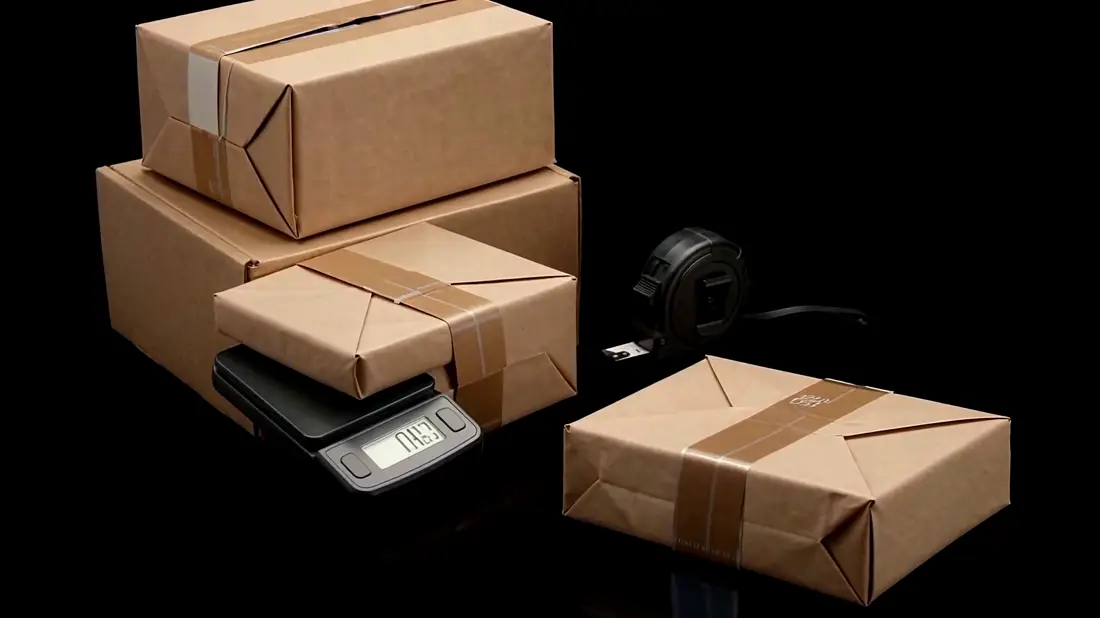
Shipping is where speed-of-listing tools quietly cost sellers money. A listing tool that generates titles and descriptions fast but assigns the wrong carrier can wipe out the margin on every item it ships. The 12-ounce silk tie that goes USPS for $4.50 becomes an $11 FedEx box; the 6-pound boxed appliance that should be FedEx Ground gets a USPS dimensional-weight charge that doubles the cost. ShipSense exists to make those decisions correctly, automatically, on every listing.
How ShipSense picks the carrier
ShipSense runs in the listing review pipeline alongside title, item specifics, and sold-comp pricing. Once the AI has identified the item and inferred likely package dimensions from category and visual cues, the shipping picker applies a weight-and-dimension routing rule:
- USPS Ground Advantage — the default for small, lightweight items. Roughly under 2 lb, under 12-inch longest dimension, non-fragile. Cheapest and fastest in this size class.
- USPS Priority Mail — for items that fit a Priority flat-rate box, fragile small items, or items where the 2-3 day commitment matters to the listing pitch.
- FedEx Ground — reserved for large or heavy items (typically 5+ lb or oversized) where USPS dimensional weight pricing would crush the margin. FedEx Ground's pricing curve flattens out at the size where USPS's starts punishing you for the box.
A recent backend update tightened this routing so the small-package default reliably stays on USPS. Before the fix, edge cases in the dimension inference occasionally pushed small packages toward FedEx — which is correct for a 7-pound shoebox but catastrophic for a 12-ounce shirt. The current logic pins USPS for the small-package majority and only promotes to FedEx when weight or dimensions cross the threshold.
Use cases
ShipSense earns its keep in three concrete ways during a normal listing day:
- Pre-priced shipping on every listing. The listing publishes with the right carrier and a calculated cost baked in, so buyers see the total at the top of the listing instead of waiting on a quote — many buyers prefer a flat shipping price they can see up front.
- Faster checkout for buyers. When the shipping policy on the listing matches the carrier you'll actually use, the eBay label-purchase step at sale time is a single click instead of a re-pricing exercise. Across 50 listings a week, that's an hour of recovered time.
- Fewer buyer messages about shipping. “How much would shipping be to 90210?” is a question that pre-priced listings don't get. Every buyer message about shipping that ShipSense prevents is two minutes of seller attention preserved.
Where ShipSense fits in the listing workflow
ShipSense selects the shipping service as part of the complete one-click listing. It uses the item evidence and seller defaults to choose between services such as USPS Ground Advantage, USPS Priority, and FedEx. An optional override remains available for unusual cases such as extreme fragility, faster delivery, or a hazmat constraint.
The shipping policy is then published as part of the listing through the eBay Trading API, which means the resulting listing is fully editable in Seller Hub. If you decide later that an item should ship a different way, you can change it without re-creating the listing.
Margin protection, plainly
The reason ShipSense exists is brutally simple: on a $25 listing, a $3 shipping miscalculation is a 12% margin hit. FlowLister's job is to make listings sell at a good price; if the shipping pick erodes the margin, the AI listing speed doesn't matter. ShipSense is the part of the pipeline that keeps the postage decision visible, defensible, and correct for the size of the item. It pairs naturally with sold-comp pricing — the right price, on the right carrier, in one workflow.
List one real item on eBay and watch ShipSense pick the carrier. Or check a box's billable weight first with the free shipping planner.
ShipSense FAQ
Short answers to common seller questions about this workflow.
Stop losing margin to bad shipping picks.
ShipSense suggests the carrier and package on every AI listing — included in every plan.
Free for 7 days. Card required. Then $19.99/mo unless you cancel.