
reselling iPhones for profit
Reselling iPhones for Profit: The Realistic 2026 Guide
See exactly how much you can make reselling iPhones for profit in 2026. Real numbers, hidden costs, and the best models to flip for $100+ margins.
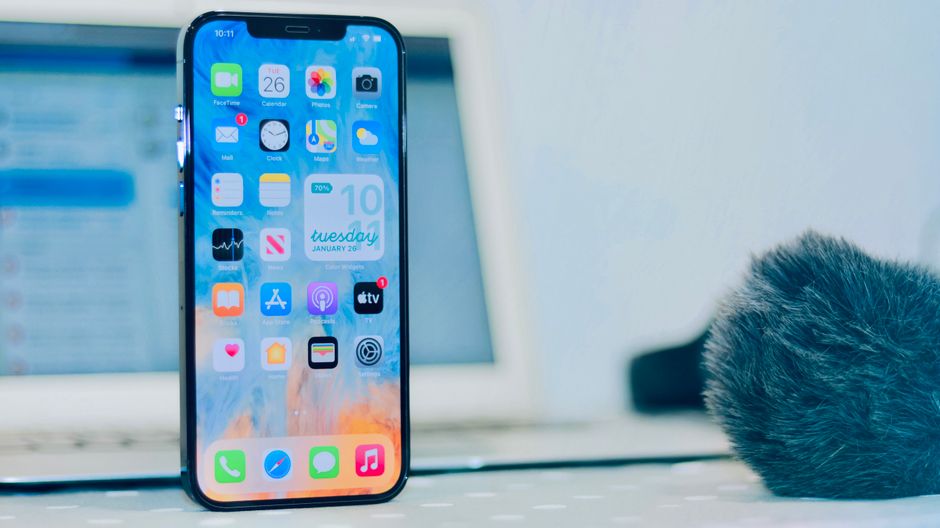
If you have been searching for a way to start reselling iPhones for profit in 2026, you have probably seen the headlines. A Reddit user claims to have made $7,000 in a single week. YouTube creators flash thumbnails promising $2,000 weeks from Facebook Marketplace flips. Those numbers are real, but they are outliers, not averages. This guide gives you a realistic, data-backed roadmap to earning a side income or even a full-time living flipping iPhones this year. We cover exact profit numbers, hidden costs, sourcing strategies, repair math, selling platforms, tax and legal basics, seasonal timing, and the scams you need to avoid. The market is more competitive than it was in 2023 and 2024, but with the right strategy, it is still very much viable.
Table of Contents
- Is Reselling iPhones Still Profitable in 2026?
- How Much Money Can You Really Make? (Realistic Financial Breakdown)
- Where to Find Cheap iPhones to Flip (Sourcing Strategies)
- Which iPhone Models Give You the Best Profit Margins in 2026?
- Step-by-Step: How to Prepare an iPhone for Resale
- Where to Sell: Best Platforms Compared
- The Legal and Tax Side of Flipping iPhones (What No One Tells You)
- Common Scams and How to Avoid Them
- Seasonal Timing: When to Buy and When to Sell
- Frequently Asked Questions (FAQ)
- Final Verdict: Is This Side Hustle Right for You?
Is Reselling iPhones Still Profitable in 2026?
The short answer is yes, but the game has changed. The $7,000 week you read about on Reddit was an exceptional event, likely involving a bulk liquidation purchase or a lucky wholesale deal. For most people, that number is not repeatable week after week. A more grounded benchmark comes from SideHustleNation, which profiled a flipper named Jeff who moves 20 to 30 used iPhones per week with a target profit of $100 per flip. At half that volume, ten flips per week, you are looking at a sustainable $1,000 weekly income.

Photo by Tima Miroshnichenko on Pexels
Market saturation is a valid concern, and it is the exact question the top Reddit result asks: is this still sustainable in 2025 and 2026? Margins have tightened on common models like the standard iPhone 13 and iPhone 14 because so many people are trying to flip them. However, niche strategies still deliver 20 to 25 percent margins or better. These include buying iCloud-locked devices, purchasing phones with broken screens that you can repair yourself, and sourcing from Apple's own returned inventory.
The 2026 window is shaped by the iPhone 16 and upcoming 17 release cycles. Every September and October, a wave of trade-ins floods the secondary market. That is excellent news for buyers because prices drop, but it means you need sharper pricing when you resell. The fundamental arbitrage opportunity remains intact because, as Gazelle reports, Apple devices lose over 50 percent of their value after three years. Your job is to buy at the bottom of that depreciation curve and sell before it flattens.
How Much Money Can You Really Make? (Realistic Financial Breakdown)
The $100-Per-Flip Formula
The core strategy is simple: buy low, sell mid. You want to purchase phones at 50 to 60 percent of their resale value. For example, you might buy an iPhone 14 Pro for $400 and sell it for $550 after cleaning, testing, and ensuring it is unlocked. That is a $150 gross margin before costs.
Volume math is straightforward. Ten flips per week at $100 profit each equals $1,000 per week. Twenty flips gets you to $2,000. But volume requires time. Sourcing phones, negotiating with sellers, cleaning devices, taking photos, writing listings, answering buyer questions, and shipping packages all add up. Ten phones a week is a serious part-time commitment. Twenty is a full-time job.
The Hidden Costs Most Guides Ignore
Photo by RDNE Stock project on Pexels
Headline profit numbers are misleading because they ignore the expenses that eat into your margin. Here is what actually comes out of that $150 gross spread.
Repair parts are the biggest variable. A screen replacement for a recent Pro model costs between $30 and $80 if you do it yourself using an iFixit kit. A battery replacement runs $15 to $40. If you pay a repair shop, labor adds another $50 to $100 per job.
Platform fees take a significant cut. eBay charges a 13.6 percent final value fee on the total sale price including shipping and tax, plus $0.40 per order over $10 ($0.30 at $10 or less). Swappa charges a flat $10 fee per listing. Facebook Marketplace is free for local sales, but it carries a higher scam risk.
Shipping and insurance cost $8 to $15 per phone via USPS or UPS. Adding insurance for a $500 phone costs another 2 to 3 percent.
Then there are taxes. Sales tax is collected automatically by most platforms, but income tax is your responsibility. For 2026, payment platforms like PayPal, Venmo, and eBay issue a 1099-K when your payments go over $20,000 across more than 200 transactions (IRS, checked September 23, 2026), and some states set lower thresholds. With or without a form, you report your net profit as self-employment income.
Here is a realistic net profit example. You buy an iPhone 14 Pro for $400 and sell it on eBay for $550. Gross profit is $150. Subtract $20 for a new screen protector and cleaning supplies, about $82 for eBay's final value fee (13.6% of the roughly $600 the buyer pays once sales tax is added, plus a $0.40 order fee, per eBay's fee page, checked September 23, 2026), and $10 for shipping. Your net profit is roughly $38, not $150. Fees are the line most flippers underestimate, and on a thinner flip they can wipe out the profit entirely.
Where to Find Cheap iPhones to Flip (Sourcing Strategies)
Facebook Marketplace and OfferUp (The Gold Mines)
Facebook Marketplace remains the most reliable source for local, cash-based deals in 2026. The key is searching for specific phrases like "broken iPhone," "iCloud locked," or "for parts." Sellers using these terms are often motivated and willing to accept lower offers.
Speed is everything. Set up saved searches with instant alerts and respond within two minutes of a listing going live. Good deals disappear fast. Always meet in a public place, ideally a police station lobby, and check the iCloud status on the spot before handing over cash. Go to Settings, tap your name at the top, and verify that no account is signed in. If Find My iPhone is on, walk away unless you have a verified unlock service.
Apple's Own Returns (The YouTube Angle)
One sourcing method that gets less attention is buying from Apple's returned and refurbished inventory. These devices appear on liquidation auction sites like B-Stock and Liquidation.com. They are often cosmetically flawed, with scratches or dents, but fully functional. This strategy requires volume buying because you are bidding on pallets of multiple phones, not single units. The YouTube creators who report the highest weekly earnings often use this method.
Craigslist, Pawn Shops, and Garage Sales
These sources have lower competition than Facebook Marketplace but inconsistent supply. They work best for older models like the iPhone 11 and iPhone 12, where margins are thinner but you can move volume. Pawn shops in particular are worth building relationships with. They often have inventory they want to clear and will give you a call when new stock arrives.
The iCloud-Locked Niche (25 Percent Margin)
This is a niche within the niche. You target devices that are iCloud-locked but not blacklisted. Buy them for $50 to $100, use a third-party unlock service for $20 to $40, and resell the unlocked phone for $150 to $200. The margin can hit 25 percent or more. The warning here is critical: verify the lock type before buying. A phone that is iCloud-locked because the owner forgot their password is unlockable. A phone that is blacklisted because it was reported stolen is not. Check the IMEI on a service like IMEIPro before committing.
Which iPhone Models Give You the Best Profit Margins in 2026?
The best margins in 2026 come from the iPhone 14 Pro and 14 Pro Max. These models are two to three years old, out of warranty, and widely available on the secondary market. They still command strong resale prices because they support the latest iOS features and have excellent cameras. Buy prices range from $350 to $500 depending on condition and storage. Resale prices sit between $500 and $700, leaving a healthy spread.
The iPhone 13 and 13 Pro are the volume play. Profit per unit is lower, around $40 to $60, but these phones are easy to source and sell quickly. They are the workhorses of a steady flipping operation.
Avoid the iPhone 11 and older models. They are too cheap to ship profitably, parts are harder to find, and buyers expect perfection at a $150 price point. One return wipes out your margin on three sales.
The sweet spot rule is this: target phones that are two to three years old and retail for $400 to $700 used. Here is a snapshot of three models with realistic buy prices, resale prices, and net profit after fees and shipping.
iPhone 14 Pro Max: Buy at $480, sell at $680, net profit around $120.
iPhone 14 Pro: Buy at $400, sell at $550, net profit around $100.
iPhone 13: Buy at $220, sell at $300, net profit around $45.
Step-by-Step: How to Prepare an iPhone for Resale
Data Wiping and Factory Reset
Before listing any phone, perform a full factory reset. The standard method is Settings, then General, then Transfer or Reset iPhone, then Erase All Content and Settings. This removes all personal data and disables Find My iPhone if the previous owner has already signed out. If the phone prompts for an Apple ID password during setup, it is still iCloud-locked. Do not buy a locked phone unless you have a verified unlock service ready.
Cosmetic Cleaning and Repair Triage
A clean phone sells faster and for more money. Use 70 percent isopropyl alcohol and a microfiber cloth to clean the screen, frame, and camera lenses. Use a soft brush to clear lint from the charging port and speaker grilles.
If the screen is cracked, you have a decision to make. Replacing it yourself with an iFixit kit costs $30 to $80 depending on the model. Paying a repair shop costs $50 to $100 in labor on top of parts. Do not sell a cracked phone at full price. It kills buyer trust and invites returns. Either repair it or price it honestly as a damaged device.
Accessories and Packaging
Include a generic charging cable and a clean box. You can buy bulk iPhone boxes on Amazon for a few dollars each. Presentation increases perceived value by 10 to 15 percent. A phone that arrives in a crisp white box with a wrapped cable feels more valuable than one rattling around in a used shipping envelope.
Where to Sell: Best Platforms Compared
Swappa (Best for Sellers)
Swappa charges a flat $10 fee per listing with no percentage cut. Buyers on Swappa are tech-savvy and expect accurate condition descriptions and clear photos. This platform is best for unlocked, good-condition phones. Avoid listing "for parts" devices here because the buyer base expects fully functional units.
eBay (Highest Reach, Highest Fees)
eBay gives you access to the largest buyer pool, including international customers. The 13.6 percent final value fee stings, but the reach is unmatched. eBay is the best place to sell broken or parts-only phones because buyers specifically search for them. The risk is a higher chargeback rate. Always use signature confirmation for orders over $200 and keep detailed records of serial numbers.
Facebook Marketplace (Zero Fees, Local Only)
For quick cash with no fees and no shipping, Facebook Marketplace is the answer. Meet in person, accept cash only, and conduct the transaction at a police station. The risks are real: counterfeit bills, fake payment apps, and the rare but serious threat of robbery. Never meet at your home or in a secluded area.
Gazelle (The Trade-In Alternative)
Gazelle offers a low-effort, low-profit option. You sell directly to them, and they handle resale. This is fine for beginners who want to offload a single phone, but it is not a strategy for maximizing profit. The convenience cost is steep.
The Legal and Tax Side of Flipping iPhones (What No One Tells You)
Reselling used iPhones is completely legal. The complication arises with financed phones. Selling a phone that still has a balance owed to a carrier like AT&T or Verizon is not a crime, but it violates the carrier's contract. The carrier can blacklist the IMEI, rendering the phone unusable. Always ask the seller if the phone is paid off and verify by checking the IMEI on a blacklist checker.
Tax obligations are real and enforceable. For 2026, payment platforms issue a federal 1099-K when your payments go over $20,000 across more than 200 transactions, and some states set lower thresholds. Either way, you must report your net profit as self-employment income on your tax return. If you flip more than 20 phones per month, consider registering as a sole proprietorship or LLC. This allows you to deduct expenses like parts, shipping, mileage, and even a portion of your home internet and phone bill.
Sales tax is collected automatically by eBay, Swappa, and similar platforms. If you sell locally for cash, check your state's rules on sales tax for used goods. Some states exempt occasional sales; others do not.
Common Scams and How to Avoid Them
The "I'll pay extra for shipping" scam is a classic. A buyer offers to overpay via a fake check or stolen credit card and then asks you to refund the difference. By the time the bank catches the fraud, your money is gone. Only accept payments through the platform you are selling on.
The return swap is another common headache. A buyer purchases your phone, claims it arrived broken, and returns a different broken phone or an empty box. Protect yourself by recording the serial number and taking timestamped photos of the phone before shipping. If you sell on eBay, tools that help with listing creation and record-keeping can streamline this process when you are managing multiple flips.
Counterfeit cash is a risk with local sales. Meet at a bank where the teller can verify the bills, or carry a counterfeit detection pen. Never accept payment apps like Zelle or Cash App from strangers in person because scammers use fake app interfaces to simulate payments.
The iCloud lock after sale scam involves a buyer claiming the phone is locked upon arrival. Video record the entire factory reset and iCloud sign-out process before shipping. This gives you proof that the phone was unlocked when it left your hands.
Seasonal Timing: When to Buy and When to Sell
The best time to buy is September through November, immediately after Apple's September launch event. People sell their old phones to fund the new model, and prices drop 15 to 25 percent across the board. This is your buying window.
The best time to sell is December, when holiday gift buyers are active, and January through February, when New Year's resolution shoppers are looking for deals. Prices stabilize or rise slightly during these months.
Avoid the March through May period. Demand dips, and the market is saturated with leftover holiday inventory. Margins compress, and phones sit longer.
Frequently Asked Questions (FAQ)
Is reselling iPhones for profit still worth it in 2026? Yes, but margins have tightened. Focus on niche models like the Pro and Pro Max and on repair flips to maintain profitability.
Can I start with zero dollars? Yes, if you have a phone to sell first. The zero-dollar method involves selling your own phone, using the profit to buy one to flip, and repeating the cycle one unit at a time.
What is the best phone to flip right now? The iPhone 14 Pro. High demand, good supply, and a net profit of $80 to $120 per flip after all costs.
Do I need a business license? Not to start. Once you are flipping 20 or more phones a month, check your city and state license rules, and keep business records either way so you can deduct expenses.
Final Verdict: Is This Side Hustle Right for You?
Reselling iPhones for profit in 2026 is a viable side hustle for people who enjoy negotiating, repairing, and selling. It is not passive income. It requires time, risk tolerance, and consistent hustle. Start small. Buy one phone this week from Facebook Marketplace, clean it thoroughly, list it on Swappa, and see if the process fits your lifestyle. Track every dollar so you know your true profit, not just your gross revenue. If the numbers work and you enjoy the hunt, scale up from there. We will continue updating this guide as market conditions change, so bookmark this page for the latest sourcing tips and pricing data.
About this guide
Published by the FlowLister team. FlowLister is built by Taylor Family Software, the studio founded by Chris Taylor, a full-time eBay reseller. Spotted something out of date? Tell us and we'll fix it.